


UNISHKA created Systems Integrity Development™ (SID) to address internal control weakness and human factor deficiencies within an organization. Unlike Vulnerability to Corruption Assessments that uncover corruption, SID identifies existing and potential corruption risks, analyzes those risks, and then develops contextualized reforms to facilitate sustainable change. The final, and arguably most difficult, phase of an SID is to ensure that the approved reforms are implemented within the existing environment. These environments are often highly politicized with multiple groups, sects, tribes, or political parties receiving some benefit from corruption.
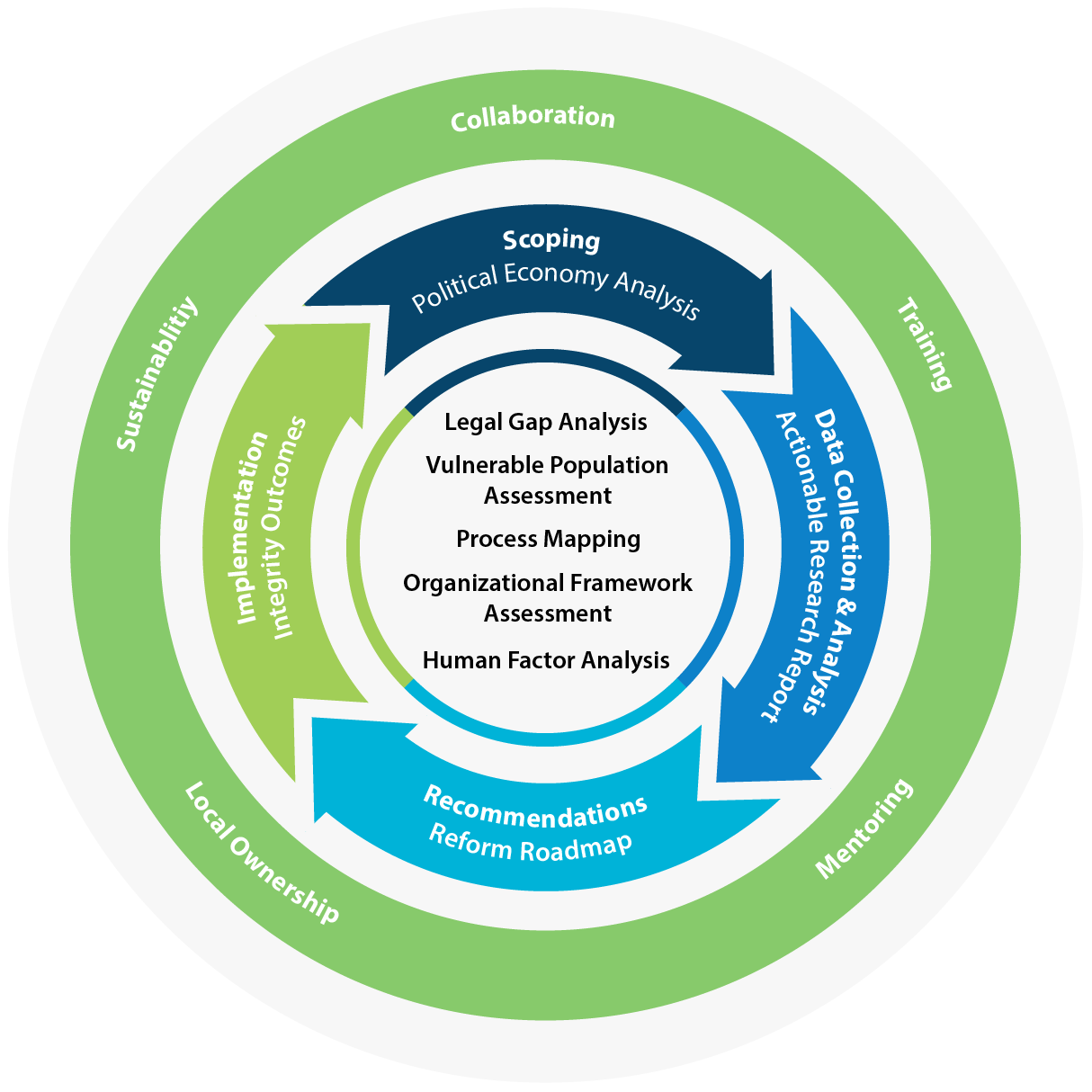
UNISHKA’s Vulnerable Population Assessment examines the impact of corruption on vulnerable populations such as gender, religious, and ethnic minorities, as well as other key groups.

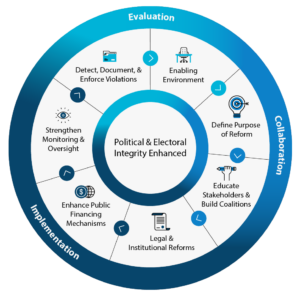
In the words of Transparency International: “Corruption erodes trust, weakens democracy, hampers economic development and further exacerbates inequality, poverty, social division and the environmental crisis.” This is particularly true of political corruption. Illicit and opaque political financing opens the door to state capture, beginning with the capture of political parties by kleptocrats seeking political cover to pillage the state’s coffers, oligarchs seeking political favors and contracts, and/or organized crime syndicates seeking access to human-trafficking or drug-trafficking routes. Countering political corruption through greater political and electoral integrity is critical.
Political and electoral integrity reform efforts can: 1) allow voters to make educated choices at the polls; 2) hold political actors accountable to the electorate and to the law; 3) make it more difficult for aspiring kleptocrats, oligarchs, and organized crime syndicates to employ informal means to influence political decision-making in their favor; 4) reduce the prevalence of vote-buying schemes and abuse of state resources that undermine voters’ long-term interests at the polls; and 5) inhibit the flow of money that supports electoral violence designed to skew the voters’ preferences through coercion and intimidation.
The United Nations Convention against Corruption (UNCAC) calls on Member States “to develop and implement or maintain effective, coordinated anti-corruption policies that promote the participation of society and reflect the principles of the rule of law, proper management of public affairs and public property, integrity and accountability” (Article 5).
In line with these obligations, UNISHKA supports national leaders in designing and developing comprehensive national anti-corruption policies that are practical, evidence-based, and aligned with international standards. This support helps governments move beyond fragmented or reactive anti-corruption measures toward a more coordinated national approach.
Such policies serve as the foundation for the formulation of a National Anti-Corruption Strategy, translating broad commitments into clear priorities, institutional responsibilities, implementation mechanisms, and measurable outcomes. By promoting transparency, accountability, public participation, and integrity in public administration, UNISHKA assists countries in building stronger governance systems and reinforcing public trust.
Through this process, national anti-corruption efforts are positioned not only as legal or enforcement initiatives, but as essential components of sustainable development, institutional reform, and good governance.
The National Anti-Corruption Strategy serves as an integrity blueprint that guides government, public institutions, civil society, the private sector, and other stakeholders in translating the National Anti-Corruption Policy into practical implementation plans.
UNISHKA works collaboratively with national stakeholders to develop customized strategies that reflect each country’s legal framework, institutional capacity, corruption risks, governance priorities, and development objectives. These strategies result in clear national frameworks that define priority actions, responsible institutions, timelines, coordination mechanisms, and measurable indicators for combating corruption.
A well-designed National Anti-Corruption Strategy helps ensure that anti-corruption efforts are not isolated or symbolic, but coordinated, actionable, and results-oriented. It strengthens prevention, enforcement, transparency, public participation, asset recovery, institutional integrity, and accountability across government systems.
Through this process, UNISHKA supports countries in building realistic and sustainable plans of action that promote public trust, improve service delivery, protect public resources, and reinforce the rule of law.
UNISHKA attorneys are experts in developing, drafting, and/or reviewing legal and regulatory frameworks around anti-corruption legislation, access to information, and procurement and electoral systems. These legal frameworks identify gaps, inconsistencies, and implementation challenges by comparing national laws, rules, and institutional mandates against international standards and best practices.
Based on this analysis, UNISHKA develops practical recommendations to close legal and regulatory gaps, strengthen institutional accountability, and improve coherence across the anti-corruption system. This may include reforms related to prevention, enforcement, public procurement, asset declaration, conflicts of interest, whistleblower protection, beneficial ownership transparency, sanctions, and inter-agency cooperation.
In addition, UNISHKA assists national authorities in drafting and refining anti-corruption legislation, rules, regulations, and implementing instruments that support effective reform. By ensuring that legal frameworks are clear, enforceable, and aligned with national priorities, UNISHKA helps governments strengthen anti-corruption initiatives, enhance rule-of-law institutions, and build greater public confidence in governance systems.
Grounded in a country’s National Anti-Corruption Policy, Strategy, and Legal Framework, UNISHKA assists national leaders in developing, strengthening, or reforming Anti-Corruption Agencies (ACAs) that are fit for purpose and aligned with national governance needs.
UNISHKA’s support is informed by the four recognized ACA models: the Universal Model, the Investigative Model, the Parliamentary Model, and the Multi-agency Model. Through careful assessment, UNISHKA helps governments determine which model, or combination of models, best suits the country’s legal system, institutional structure, corruption risks, and reform priorities.
This assistance may include reviewing mandates, organizational structures, operational procedures, staffing needs, accountability mechanisms, inter-agency coordination, investigative powers, prevention functions, and reporting obligations. UNISHKA also has extensive experience reforming and reorganizing existing ACAs to improve their independence, efficiency, credibility, and effectiveness.
By supporting the creation and modernization of ACAs, UNISHKA helps countries build stronger institutions capable of preventing corruption, enforcing anti-corruption laws, promoting integrity, and strengthening public confidence in the national anti-corruption system.
Whistleblowing and Whistleblower Protection
UNISHKA helps both public and private institutions design, implement, and strengthen effective corruption and fraud reporting mechanisms that are secure, accessible, credible, and protective of those who report wrongdoing.
This support takes into account all key components of an effective whistleblowing system, including the legislative framework, institutional and operational environment, available reporting channels, procedures for validating information, confidentiality safeguards, case management processes, and whistleblower protection plans.
UNISHKA also assists institutions in developing clear policies and procedures that encourage reporting, prevent retaliation, and ensure that allegations are assessed and addressed in a fair, timely, and accountable manner. These mechanisms help organizations detect misconduct earlier, reduce institutional risk, and reinforce a culture of integrity.
In addition, UNISHKA provides customized whistleblowing training for employees, civil servants, oversight bodies, and the general public. These trainings are designed to educate, encourage, and enable individuals to demand accountability and transparency from their leaders, institutions, colleagues, and communities.
Public procurement is the governmental function most vulnerable to corruption globally. In the procurement process, significant public resources at risk of waste, fraud, and abuse. Because procurement directly affects infrastructure, service delivery, economic development, and public trust, strengthening procurement integrity is essential to effective governance.
UNISHKA helps governments review, assess, and improve public procurement systems by developing holistic approaches that identify corruption risks, strengthen controls, and prevent abuse across the full procurement cycle. This includes planning, tendering, evaluation, contract award, contract management, payment, monitoring, and audit processes.
In its approach, UNISHKA draws on OECD-recommended principles for improving public procurement, including integrity, transparency, stakeholder participation, accessibility, e-procurement, oversight, and control. These principles help ensure that procurement systems are fair, competitive, accountable, and resistant to manipulation.
Through legal, institutional, procedural, and operational assessments, UNISHKA supports governments in building procurement frameworks that reduce opportunities for corruption, improve value for money, promote open competition, and enhance public confidence in how public funds are managed.
Founded on the belief that endemic corruption can be ameliorated by transforming systems into bulwarks that deter corrupt practices and promote accountability, Systems Integrity Development (SID) is a pragmatic, holistic, and proactive set of proprietary tools to reduce systemic corruption by addressing internal control weakness and human factor deficiencies within an organization. The following SID tools are tailored to each specific context and can be conducted independently:
UNISHKA conducts detailed investigations into allegations involving corrupt officials where credible information and strong probable cause have been provided by informants, witnesses, or other reliable sources.
Employing a combination of HUMINT and OSINT, UNISHKA is able to identify and engage reputable sources, witnesses, and subject-matter contacts who can provide relevant information, context, and supporting evidence. This local insight is combined with the expertise of UNISHKA’s global pool of seasoned investigators to examine allegations with professionalism, discretion, and methodological rigor.
UNISHKA’s investigative approach may include source development, witness interviews, document review, open-source intelligence, asset tracing, corruption-risk analysis, and the verification of facts across multiple channels. Each investigation is designed to assess the credibility of allegations, identify patterns of misconduct, and determine whether significant corruption concerns are present.
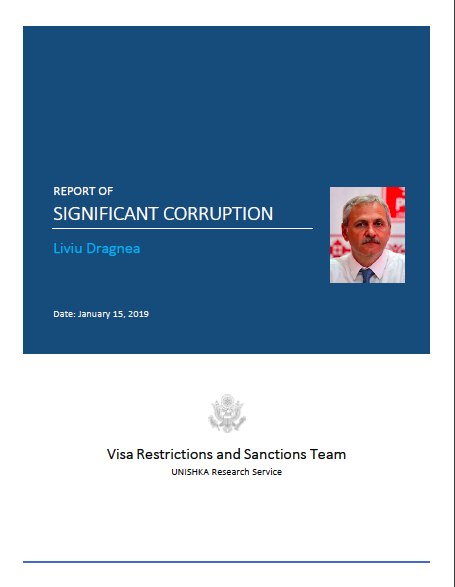
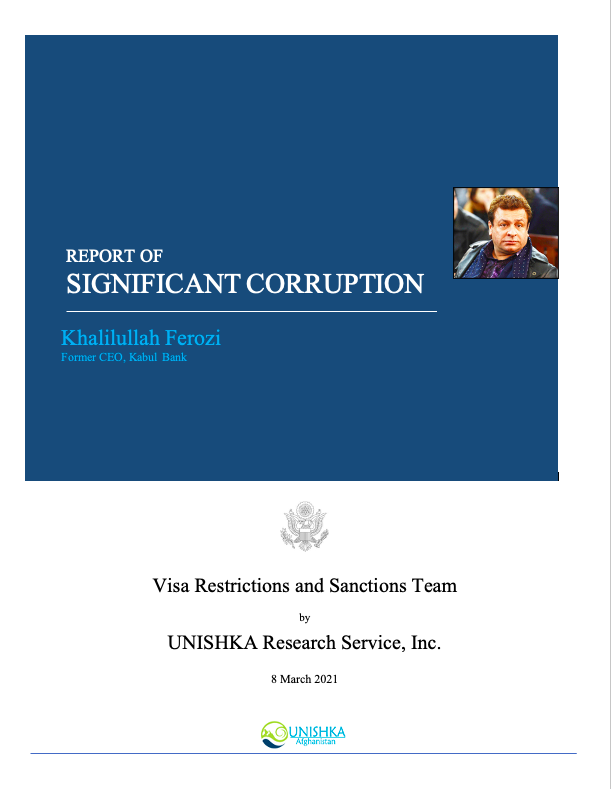
These efforts often result in Reports on Significant Corruption, which provide decision-makers with well-organized findings, supporting analysis, and actionable recommendations. By delivering reliable investigative assessments, UNISHKA helps strengthen accountability, support anti-corruption enforcement, and promote integrity within public institutions.
Integrity testing is a specialized anti-corruption tool used to assess whether public officials act ethically, lawfully, and in accordance with their official duties when exposed to controlled corruption-risk situations. When conducted within a clear legal framework and under proper authorization, integrity testing can help identify misconduct, deter corrupt behavior, and strengthen accountability within public institutions.
UNISHKA supports authorities in developing and implementing lawful, proportionate, and carefully managed integrity testing activities for officials who are suspected of corruption or for institutions exposed to high corruption risks. These activities may include targeted or random testing, lifestyle reviews, close monitoring, verification of financial and professional conduct, analysis of associations, and other indicators of possible corrupt activity.
UNISHKA’s approach emphasizes legality, confidentiality, evidence integrity, human rights safeguards, and institutional accountability. Each activity is designed to ensure that findings are credible, properly documented, and suitable for informing disciplinary, administrative, or investigative action where appropriate.
Through integrity testing, UNISHKA helps governments detect vulnerabilities, assess the integrity of officials, strengthen internal controls, and promote a culture of honesty, professionalism, and public trust.
UNISHKA offers courses on anti-corruption and a wide variety of topics to educate scholars, practitioners and activists on the science and practice of anti-corruption.
UNISHKA offers a 1-2 week fundamental course on anti-corruption that covers science and theories as well as practical information that every anti-corruption advocate, specialist or activist should know and understand. Topics include but not limited to history, causes, effects and manifestations of corruption; policy and strategy, anti-corruption agencies, activism, and international resources.
UNISHKA offers a 1-week customized training and courses on anti-corruption as it relates to specific sectors, taught by international sectoral experts e.g., gender education, health, sports, environment, elections, etc.
UNISHKA offers a special foundational training course designed specifically on open-source intelligence (OSINT) to teach media practitioners and activists how to use the internet to collect and analyze data that can be used to investigate corruption and other illicit activities.
Businesses and organizations risk reputational damage, major losses, sanctions, penalties, suspension and even bankruptcy for certain regulatory violations. UNISHKA offers customized training to help institutions and corporations comply with both internal and external rules and regulations and ensure both management and concerned employees are knowledgeable and responsible in enforcing applicable laws, rules, and regulations.
Grand corruption cases (e.g., money-laundering) are often complex and transnational in nature, and thus, requires collective efforts across international agencies. These entail collaboration among the police, customs, national security services, crime and anti-corruption agencies and border guards on cross-cutting law-enforcement issues such as information/intelligence sharing, analysis, investigations and even asset recovery. UNISHKA provides training/briefing on bilateral and multilateral frameworks and avenues to equip institutions with knowledge and skills to address transnational corruption cases.
UNISHKA offers a special foundational training course designed specifically on open-source intelligence (OSINT) to teach media practitioners and activists how to use the internet to collect and analyze data that can be used to investigate corruption and other illicit activities.
UNISHKA offers a special foundational training course designed specifically on
open-source intelligence (OSINT) to teach media practitioners and activists how to use the internet to collect and analyze data that can be used to investigate corruption and other illicit activities.


 *click to enlarge
 *click to enlarge